


A searing account of the long road to recovery after the Wayanad landslides; an investigation that uncovered a multi-state child trafficking racket targeting tribal families in Rajasthan; a deep dive into the shadowy surrogate mother market in the country; and, an expose on the illegal sale of British-era bungalows in Pune’s cantonment areas.

Instituted by the Ramnath Goenka Foundation, the awards recognise the best of journalism, showcasing 25 outstanding contributions from print, digital and broadcast platforms from across 18 categories, including investigative reporting, politics and government, feature writing, books, sports and regional language journalism.
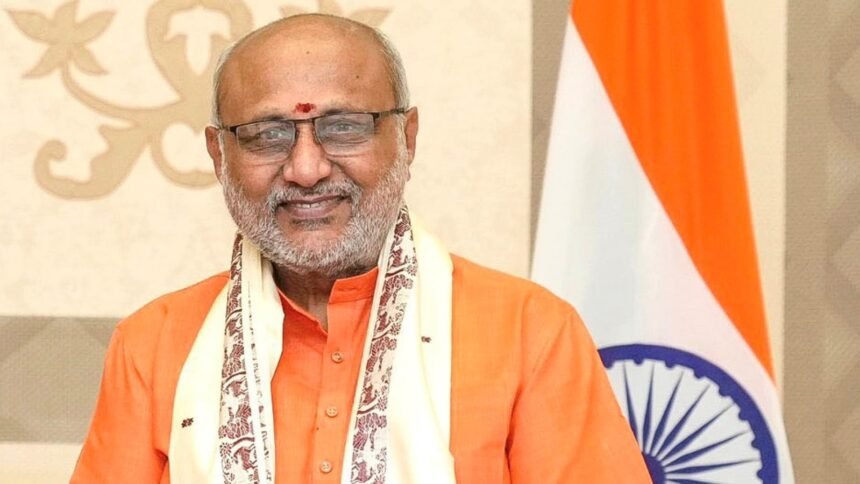
The jury for the 20th edition of the awards includes Justice B N Srikrishna, former judge at the Supreme Court; Prof C Raj Kumar, founding Vice Chancellor, OP Jindal Global University; Prof K G Suresh, Director of India Habitat Centre, former Vice Chancellor, Makhanlal Chaturvedi National University of Journalism & Communication and former Director General, Indian Institute of Mass Communication; Rohini Nilekani, Chairperson, Rohini Nilekani Philanthropies and Co Founder & Director, EkStep; and Dr S Y Quraishi, former Chief Election Commissioner.
For the jury, selecting winners was no easy task. “Each and every story was good… sometimes they were too close a call,” said Suresh. “The winners won by a margin of a few points… otherwise all the entries were equally good,” he said, adding that evaluation also depended on the impact of the story and the difficulty which the reporter had to face.
Highlighting emerging trends in journalism, Suresh said, “I see a lot of youngsters now exploring newer areas of our lives like cyber security and safety, alongside traditional beats such as environment, health and land issues.”

Reflecting on her experience as a jury member, Nilekani said, “Reading all these journalists’ entries was like doing a Bharat Darshan — you get to read things that shock you, that make you cry… It makes me feel, ‘Thank God, journalism is well and alive’.”
Story continues below this ad
She also pointed to the changing media landscape. “Social media means everybody thinks they are a journalist. It has democratised the spreading of knowledge, which is a very good thing. But my dream is that old-fashioned journalism and investigative journalism will get more space,” Nilekani said.
Justice Srikrishna noted a stylistic shift in entries. “This year’s entries were more focussed, but tended to dramatise the narration,” he said.
Despite concerns about the profession, Suresh is optimistic about the future of journalism. “I have always believed that the format might have changed, the platforms might have changed, the technology might have changed — but the essence of journalism remains,” he said.