


5 min readNew DelhiMar 20, 2026 09:04 PM IST
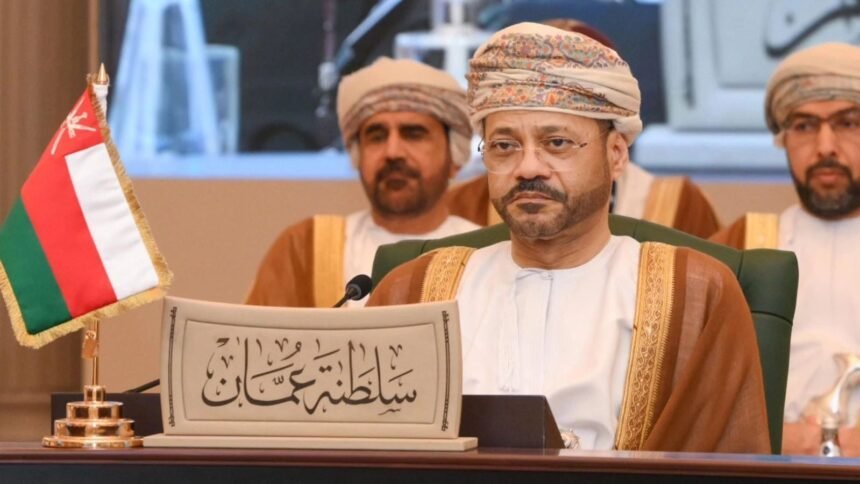
Oman’s Foreign Minister Badr Albusaidi, who mediated the recent nuclear talks between the US and Iran, has called for a return to negotiations.
In a sharply worded piece in The Economist, he called the attacks by Israel and US on Iran as “unlawful military strike”, Iran’s retaliation against the Gulf states as “inevitable” and “completely unacceptable”.

In a post on X, Albusaidi said: “Oman’s constructive neutrality compels us to speak our mind to all in pursuit of peace. This article in The Economist seeks to contribute to a serious conversation about solutions.”
Oman is known to have brokered peace between Saudi Arabia and Iran in recent years.
India too has been in touch with Oman’s leadership, the most recent being the call between Prime Minister Narendra Modi and Sultan of Oman Haitham bin Tariq.
“Had a productive conversation with my brother Sultan Haitham bin Tariq and conveyed advance Eid greetings to the people of Oman. We agreed on the need to prioritize dialogue and diplomacy for de-escalation and subsequent restoration of peace and stability,” PM Modi said.
“Reiterated India’s condemnation of the violation of Oman’s sovereignty and territorial integrity and appreciated Oman’s efforts to facilitate the safe return of thousands of people, including Indian nationals. India and Oman stand for safe and free navigation through the Strait of Hormuz,” he posted on X.
Story continues below this ad
In the recent piece in The Economist, Oman’s Foreign minister wrote, “Twice in nine months the United States and Iran have been on the verge of a real deal on the most difficult issue that divides them: Iran’s nuclear-energy programme and American fears that it could be a weapons programme. So it was a shock but not a surprise when on February 28th — just a few hours after the latest and most substantive talks — Israel and America again launched an unlawful military strike against the peace that had briefly appeared really possible.”
It said that Iran’s retaliation against what it claims are American targets on the territory of its neighbours was an “inevitable, if deeply regrettable and completely unacceptable, result”. Faced with what both Israel and America described as a war designed to terminate the Islamic Republic, he said this was probably the only “rational option” available to the Iranian leadership.
Warning of “deep recession”, he called the American and Israeli governments for the “grave miscalculation”. “The effects of Iran’s retaliation are already being felt globally, as maritime traffic through the Strait of Hormuz is severely disrupted, driving up energy prices and threatening deep recession. If this had not been anticipated by the architects of this war, that was surely a grave miscalculation.”
“The American administration’s greatest miscalculation, of course, was allowing itself to be drawn into this war in the first place. This is not America’s war, and there is no likely scenario in which both Israel and America will get what they want from it,” he said.
Story continues below this ad
“The question for friends of America is simple. What can we do to extricate the superpower from this unwanted entanglement? First of all, America’s friends have a responsibility to tell the truth. That begins with the fact that there are two parties to this war who have nothing to gain from it, and that the national interests of both Iran and America lie in the earliest possible end to hostilities. This is an uncomfortable truth to tell, because it involves indicating the extent to which America has lost control of its own foreign policy. But it must be told,” he said.
“It may be difficult for America to return to the bilateral negotiations from which it was twice diverted by the temptations of war. It will certainly be difficult for the Iranian leadership to return to dialogue with an administration that twice switched abruptly from talks to bombing and assassination. But the path away from war, hard though it may be for both parties to follow it, may have to lie through precisely this resumption,” he said, urging returning to the negotiating table.
He proposed a “framework for transparency on nuclear energy — and the energy transition more broadly — in the region”, and a “regional non-aggression treaty, to secure a substantive regional deal on nuclear transparency” as possible ideas towards ending the war that has global consequences.