

3 min readNew DelhiApr 2, 2026 05:15 AM IST
The Lok Sabha on Wednesday passed the Jan Vishwas (Amendment of Provisions) Bill 2026, which amends 80 Central Acts to decriminalise offences and replace them with graded civil penalties, by a voice vote. The Bill was introduced in the Lok Sabha on March 27.
During the debate, Opposition members questioned the move to convert criminal liability into a penalty, which makes it “easy” for corporations to get away with a fine. They added if the Bill is passed, it would take away the work of the courts and hand it over to the bureaucracy.

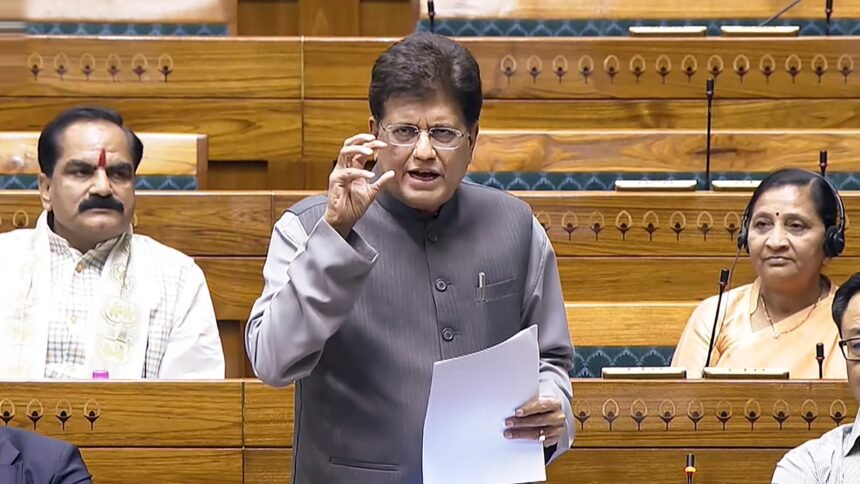
Replying to the debate, Union Commerce Minister Piyush Goyal wondered whether the number of court cases should be decreased or increased, adding that the Bill was a move to move from punishment (dand) to justice (nyay).
“Generally people do not want to break laws. Small mistakes should be addressed differently … In the Indian tradition, rule was based on trust and not suspicion. It was British thought that continued post-Independence, wherein everything was to be punished rather than improved,” Goyal said. He said the Bill is a graded response where people get a chance to improve, and builds a culture of trust.
Goyal said many laws were made under previous governments without thinking of the troubles they caused to people. He said while in most laws the court determined the fines, the Bill prescribes a penalty and avoids unnecessary burden on the courts. As an example, he said that the Bill would impose penalties on drug manufacturers if they have not mentioned where it was produced and not on retailers.
BJP MP Tejaswi Surya, who had headed the Select Committee of Lok Sabha on the matter, accused Congress governments of having been against entrepreneurs and wealth creators. He commended the Bill for decriminalising many offences.
RSP MP N K Premchandran said that bringing blanket amendments to address multiple laws was a bad legislative practice adding that since each law had a different context, it should be addressed independently. He cautioned that speaking about the ease and speed of doing business should not end up in policies that are anti-labour.
Story continues below this ad
DMK MP Kalanidhi Veeraswamy said since most instances of decriminalisation in the Bill pertained to economic offences, it seemed to be aimed at making corporations get away without paying penalties, and this would mean they would not be answerable.