


3 min readBhubaneswarMar 26, 2026 05:46 PM IST
Introduction of a de-addiction cess, a complete ban on liquor shops near the Puri Jagannath Temple and along the Grand Road (Badadanda) in the temple town, and prohibition of home delivery of liquor are among the key features of the new excise policy approved by the Odisha government on Thursday.
The policy, to be implemented from April 1, also states that no new OFF shops, country liquor (CL) shops, or out still (OS) shops will be permitted in the state. No new ON shops will be allowed in rural areas either, except in 3-star and above hotels and clubs within industrial townships, the policy states.

Odisha Excise Secretary Bhaskar Jyoti Sharma said the policy will be in force for three years, from April 1, 2026, to March 31, 2029. “By introducing a three-year policy framework instead of an annual cycle, the government aims to provide stability and predictability to the sector, while retaining the flexibility to undertake necessary changes as required,” said Sharma.
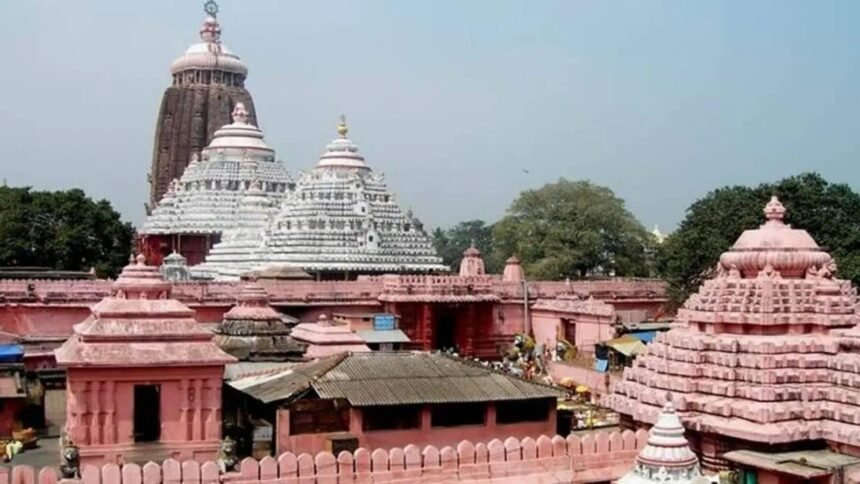
The decision to impose a complete ban on liquor shops (ON, OFF/CL) near the Puri Jagannath Temple and along the 3-km Grand Road has been taken to respect religious and cultural sensitivities.
“It was a long-standing demand by people of Puri and Jagannath devotees. Puri is a sacred place and one among the four Dhams (seats) as per Hindu faith that attracts devotees from across the globe. The deities march to their birth place (Gundicha Temple) on the Grand Road during Rath Yatra. Considering the demand and to respect the religious sentiments and to maintain the sanctity of the place, it has been decided to ban liquor shops,” said a senior excise department official.
The official added that the decision to introduce a 5% de-addiction cess on excise duty is aimed at discouraging liquor consumption and recognising alcohol as a ‘sin good.’ “Revenue generated from this cess will be utilised for funding model de-addiction centres,” said the official.
Application fees for different excise licences will be increased by 10 per cent, while licence fees will rise by 10–20 per cent annually under the policy. Excise duty on IMFL and country liquor (CL) has also been increased.
Story continues below this ad
To reduce the compulsion on retailers to push sales merely to meet quantity targets, the government has decided to shift from the minimum guaranteed quantity (MGQ) system to minimum guaranteed excise revenue (MGER). “The change ensures protection of government revenue while curb the practice of ‘kuchia’ sale of liquor,” said Sharma.
Odisha earns around Rs 12,000 crore annually from excise revenue.
Under the new policy, the government will implement a comprehensive “track and trace system” to monitor movement of extra neutral alcohol (ENA) from distilleries to bottling units and track each bottle from manufacturing to the point of sale, along with integration of all related online processes.
All manufacturing units (including OS units) and retail shops will be brought under CCTV surveillance, integrated with the excise commissioner’s office and district offices. Steps will also be taken to strengthen and upgrade existing excise chemical laboratories in the state through improved technology.