


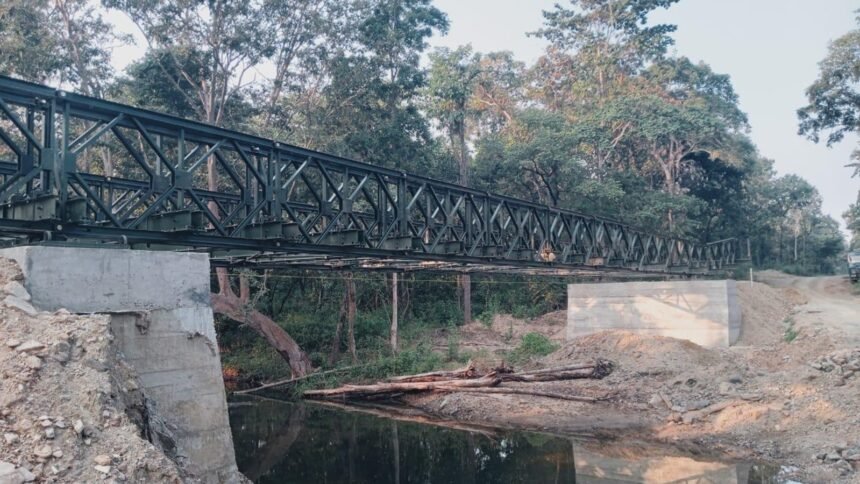
Over the past two years, as security forces intensified anti-Maoist operations at an unprecedented pace in Chhattisgarh, there was another process underway in the background in Naxal-affected areas of the state — building a road network to connect places that have been long cut off from the mainstream due to the Maoist threat. This process is seen as being key to bringing development and security to the area.
The Defence Ministry’s Border Roads Organisation (BRO) has built as many as 20 Bailey bridges and completed 75 km of road work on challenging terrain over the last 15 months in the Maoist-affected areas of Chhattisgarh.

In November 2024, three months after Union Home Minister Amit Shah set March 31, 2026, as the deadline for eradicating Left Wing Extremism from India, the BRO was tasked with the construction of a road network in Bijapur and Sukma districts — through areas that are some of the worst-affected by Maoist violence. The network is set to be 130 km in length and comprises over 10 different road projects that have been stuck over the years due to LWE.
Over the years, armed Maoists have destroyed road construction equipment and killed scores of security personnel deployed to protect road building work. Contractors have also been killed, including one last December at Pamed in Bijapur.
A BRO official said, “80% of the road projects were lying dormant for over half a decade on account of poor response from local contractors due to constant threat from Naxals.”
Maoists have also tried to target the BRO, the official said, pointing out that a massive 50-kg IED was planted at Basaguda in Bijapur, but the explosive was neutralised by the CRPF demining team.
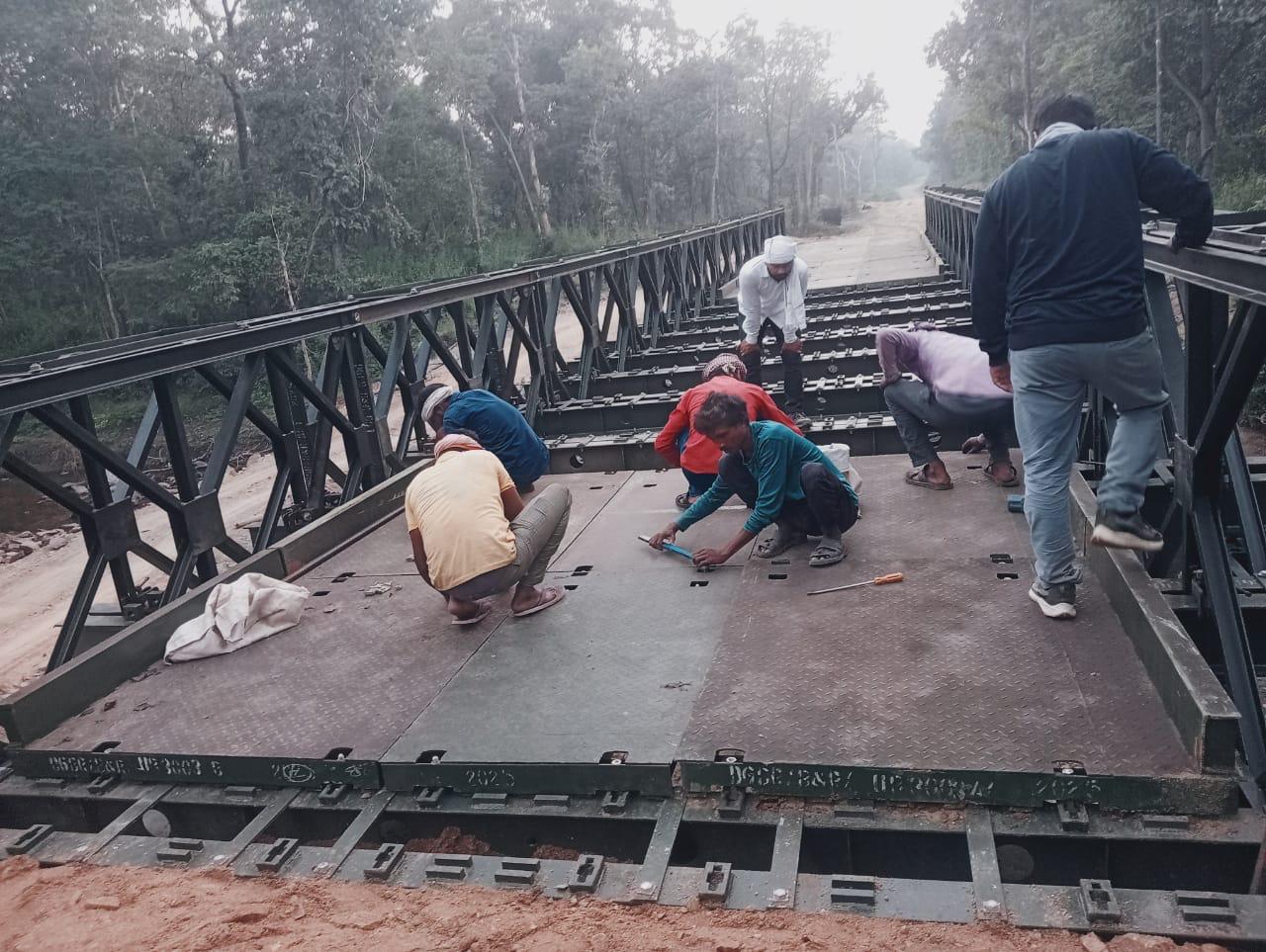 The Defence Ministry’s Border Roads Organisation (BRO) has built as many as 20 Bailey bridges and completed 75 km of road work on challenging terrain over the last 15 months.
Dense forest, steep hill
Story continues below this ad
Over the last 15 months, several projects have got a new lease of life. One such project was the Tadapala hill road project, assigned to the BRO in January 2026. It was completed within two months.
The idea was to provide sustained, all-weather logistics support to security forces, officials said. The road is 13 km long and begins from the Pujari-Kanker area in Bijapur district. Eight of the 13 km falls in hilly terrain.
“Given the high difficulty level and the BRO’s expertise in hill road construction, it was the natural choice for the project. The road holds significant strategic importance for security forces, as it lies along a major route used by Naxals moving into Chhattisgarh from Telangana,” said an official.
The area’s steep terrain and dense forest cover had long provided a natural advantage to Naxals. Construction posed major challenges, with stretches reportedly dotted with improvised explosive devices (IED) and mines, along with hard rock formations along the alignment.
Story continues below this ad
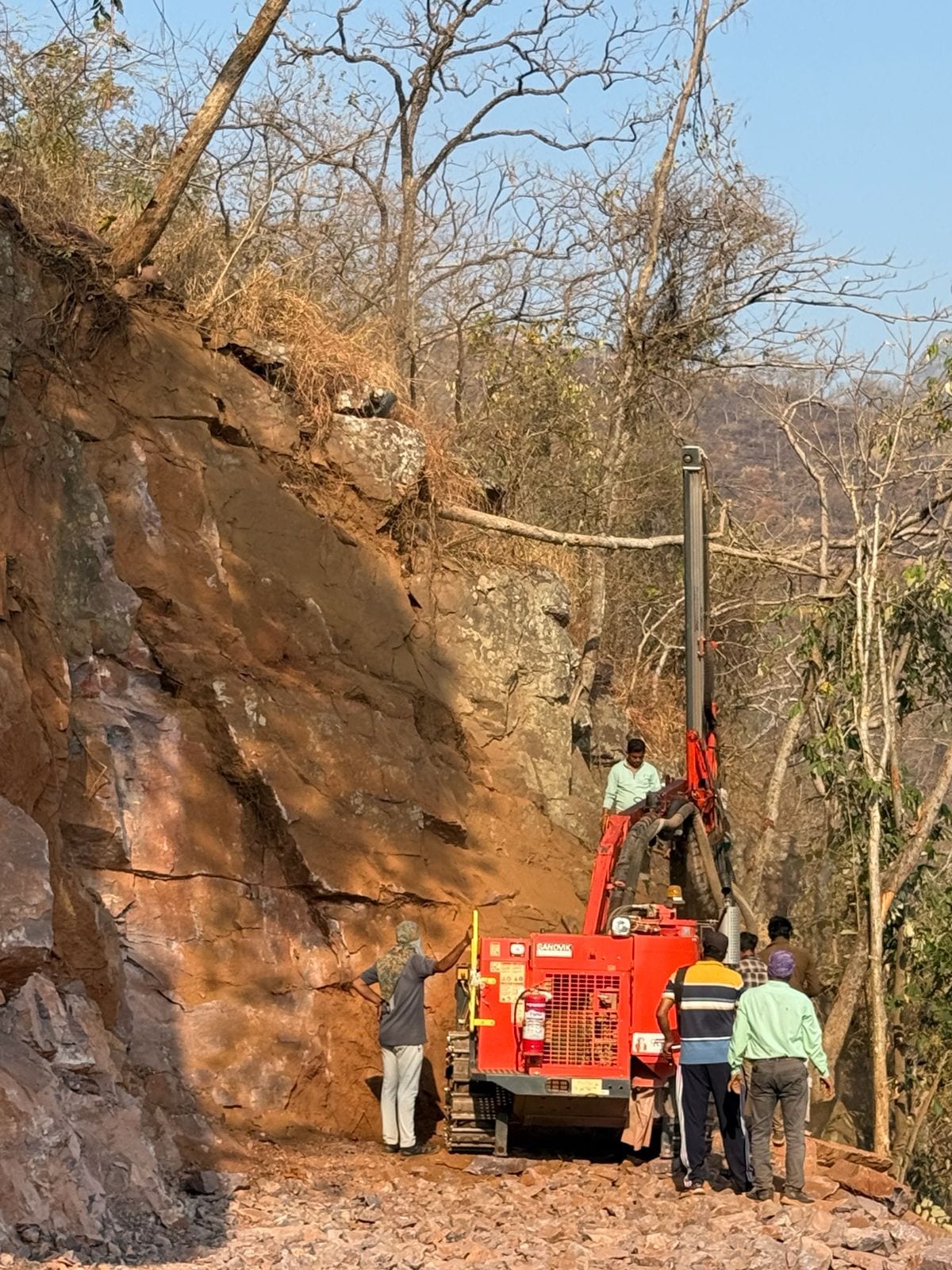 The Defence Ministry’s Border Roads Organisation (BRO) has built as many as 20 Bailey bridges and completed 75 km of road work on challenging terrain over the last 15 months.
“Despite this, BRO personnel achieved connectivity to the Tadapala hilltop within two months — well ahead of the MHA’s target of May 31, 2026. DGBR Lt Gen Harpal Singh personally monitored the project after visiting the Tadapala hilltop in February,” the official added.
Another project the BRO took up was the rerouting of a road that it completed in four months, bringing the distance between Kondapalli village in Bijapur to Sukma district’s Puvarti village, where slain Maoist leader Hidma was from, to just 9 km from the previous 38 km.
Speaking on the role of BRO’s work in aiding the anti-Maoist operations, Inspector General of Police for Bastar Range P Sundarraj said, “These regions, which were once extremely remote and difficult to access due to dense forests and poor connectivity, are now gradually becoming more reachable for security forces. The improved road infrastructure has enabled faster movement of troops, better logistical support, and more effective coordination during anti-Naxal operations. As a result, security forces have been able to sustain pressure on Maoist groups, establish a stronger presence in previously inaccessible areas, and respond swiftly to operational requirements.”
In eight months, the BRO has installed more than 20 Bailey bridges in remote areas of Bijapur and Sukma.
Story continues below this ad
“A Bailey bridge is a portable truss bridge developed by the British during World War II. It was widely used by defence forces in difficult terrain because it can be quickly assembled and moved,” a BRO official said.
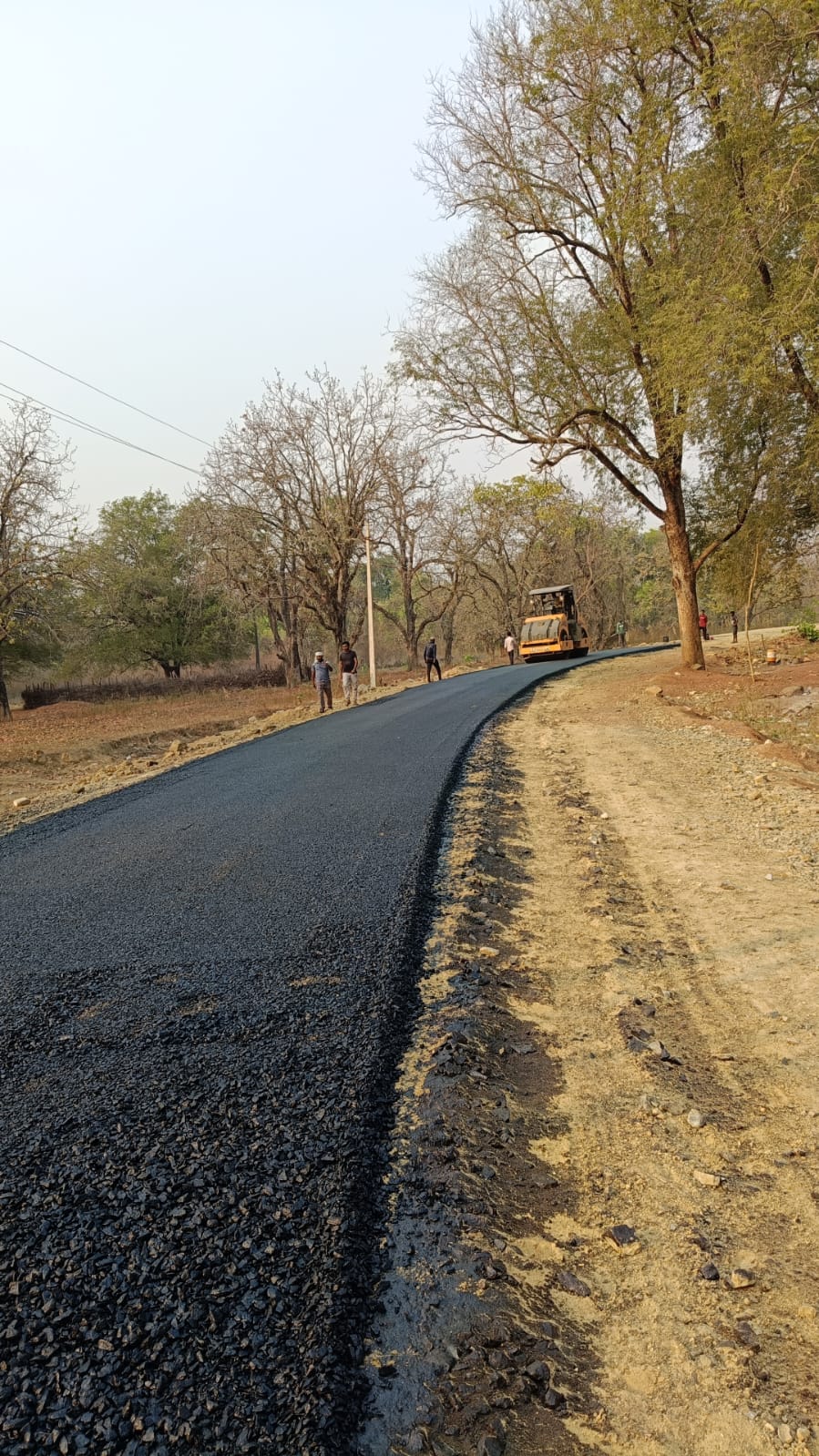 The Defence Ministry’s Border Roads Organisation (BRO) has built as many as 20 Bailey bridges and completed 75 km of road work on challenging terrain over the last 15 months.
All-weather connectivity
The bridges played a vital role in terms of logistics for the security forces during the monsoon season, the official said.
According to officials, the construction of these bridges and roads has facilitated all-weather mobility for more than 25 villages in Bijapur and Sukma districts.
Story continues below this ad
“They will also serve as a major connectivity boost for the local tribal population, which otherwise remains largely cut off from the mainland during peak monsoon season,” an official said.
IG Sundarraj said the roads and bridges would “improve connectivity between remote villages and district headquarters, enabling better access to healthcare, education, markets, and government services. Over time, this connectivity will accelerate development, facilitate economic activities, and strengthen the integration of remote tribal communities with the mainstream.”
A 20-km road from Kondapalli to Dharmaram, known as the gateway to Telangana from Chhattisgarh, is also ready and suitable for all kinds of traffic, with state-run buses already operating. “A total of nine Bailey bridges are being installed along this stretch, and 43 precast culverts have been added to improve drainage during the monsoon. Black-topping is expected to begin within a month,” said a BRO official.
The route has reduced the distance from Bijapur district headquarters to the Bhadrachalam temple in Telangana to 180 km from the earlier 270-km route. Local movement to Cherla and Bhadrachalam has picked up along this stretch, which was earlier largely unused due to Maoist presence.
The Karegutta Hills
Story continues below this ad
The BRO has completed the connectivity project of Tadapala hills to almost 70% of its total project length in the Karegutta Hills (KGH) region, which now serves as the last bastion for the Maoists near the Telangana border. Some members of the Maoists’ Battalion 1 hide behind the hills now.
The daunting task of building the road involved the cutting of hard rock for a stretch of more than 1 km. This involved carrying out blasts for 25 days straight.
The route has become a game-changer for CRPF troops deployed in the region, who earlier had to use helicopters to take essentials to the area.
“The road project is almost complete, and CRPF troops no longer depend on Air Force helicopters. Earlier, helicopters were needed to supply them with essentials at this important location,” the official said.
Story continues below this ad
Speaking on BRO’s work in Bijapur, District Collector Sambit Mishra said, “Their work has boosted both operational mobility and long-term development. The Tarrem–Kondapalli–Pamed road is a critical corridor through previously inaccessible terrain, improving connectivity in the Usoor block, access to remote villages, and delivery of healthcare, education and public distribution services. It has reduced travel time and isolation, aiding economic integration, while improved access to the Karregutta Hills has opened up possibilities for eco-tourism and livelihoods.”
Roadmap for future
The BRO has also completed the framework for the construction of eight critical bridges in Narayanpur, Sukma, Kondagaon and Kanker districts. State-of-the-art modular bridges will be constructed at these locations in a short timeframe, officials said. A proposal to construct these bridges has been sent by the state government to the Centre.
Further, the BRO has prepared more than 10 detailed project reports (DPR) for infrastructure works in Bijapur, Sukma, Narayanpur, Kondagaon and Kanker districts, all of which had a strong Maoist presence until recently.