


2 min readNew DelhiMar 21, 2026 12:48 AM IST
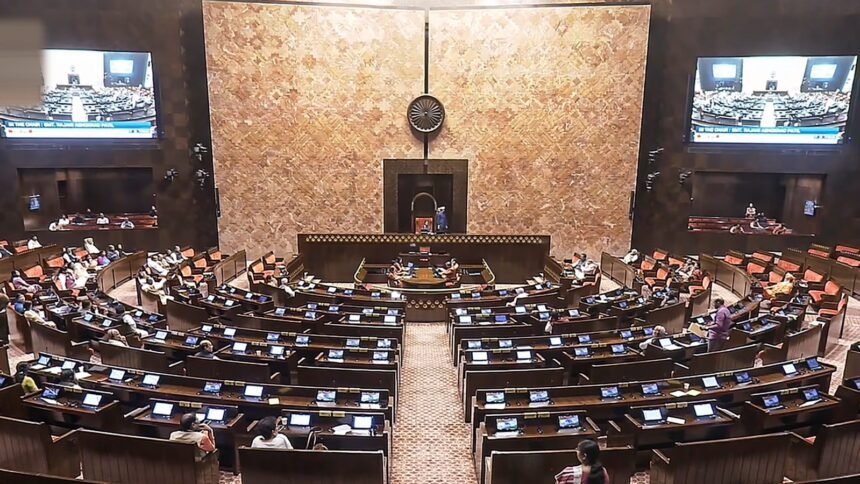
IN A bid to streamline administration across all paramilitary forces, the Centre is likely to introduce the Central Armed Police Forces (General Administration) Bill, 2026, in the Rajya Sabha on March 23. The proposed legislation aims to replace the fragmented rules governing the CRPF, BSF, CISF, ITBP and SSB with a single unified framework, marking a significant centralisation of oversight.
Sources familiar with the Bill said it mandates IPS dominance in senior leadership roles. At least 50 per cent of Inspector General positions and a minimum 67 per cent of Additional Director General posts will be reserved for IPS officers on deputation. “The apex ranks – Special Director General and Director General – will be exclusively filled by deputationists, sidelining promotees from the forces’ own cadres,” a source said.

“To ensure continuity, all current recruitment rules listed in the Second Schedule will remain valid until they are specifically modified, amended or superseded – preventing any administrative vacuum during the transition. The Bill explicitly states it involves no expenditure — recurring or non-recurring from the Consolidated Fund of India – making it purely a structural and administrative reform with no additional budgetary burden,” the source said.
Meanwhile, veterans from key CAPFs on Friday accused “pressure groups” of driving the Centre’s Bill to formalise IPS deputations to their ranks, even as CAPF officers remain excluded from top policy-making roles.
Speaking at the Press Club of India, retired officers from the CRPF, CISF, ITBP and SSB emphasised that their agitation seeks not just promotions but constitutional fairness and CAPF representation in decisions affecting the forces.
“We lack a lobby, our voices don’t reach the government directly but through imposed leadership,” said retired BSF Additional DG Sanjiv Krishan Sood. He said the Bill stems not from distrust of CAPF personnel but from external pressures.