


5 min readDehradunMar 18, 2026 02:55 PM IST
Days after the proposal to ban non-Hindus from Badrinath and Kedarnath dhams and 45 other temples run by the temple committee, its chairperson said that those who wish to enter the shrines will have to furnish an affidavit swearing faith to “Sanatan”.
Speaking with reporters on Tuesday, the Badrinath-Kedarnath Temple Committee president Hemant Dwivedi said that in the upcoming Char Dham Yatra, entry of “non-Sanatanis” into the 47 temples and sanctum sanctorum, including Badrinath and Kedarnath temples, will be prohibited.

“This tradition has been in existence since the time Adi Shankaracharya established the temples, and we have just reviewed it. These four shrines are the centres of faith for lakhs of devotees, and their sentiments are connected to the Badrinath, Kedarnath, Gangotri, and Yamunotri temples. Of late, several groups have attempted to disturb the sanctity of these religious places, and in the wake of this, the proposal was taken up, and the board passed it unanimously,” he said.
However, he added, everyone who believes in the faith and regards the shrines as spiritually significant is welcome. “Those who understand the importance of spirituality and its elements, including the shrines, the river Ganga, Yamunotri, all of this is the soul of the nation, and those who respect this will not be turned back,” he said.
When the Opposition parties raised concerns about the constitutionality of the move, the chairperson of the BKTC had said that, as per the Constitution, Sikhs, Jains, and Buddhists are a part of Hinduism.
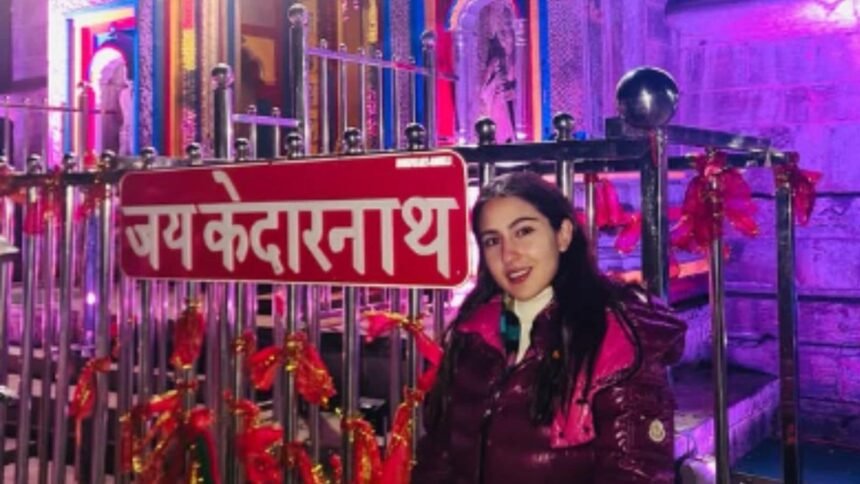
Asked by reporters whether Sara Ali Khan, a Bollywood actor, could enter the shrine given her affinity for the region and her past visits to Kedarnath, the chairman said she could provide them with an affidavit expressing devotion to Sanatan Dharma. The proposal passed by the board now rests with the government for review.
The Congress party claimed that if instituted, such a ban would also prevent the constitutional head of state, Governor Lt Gen Gurmit Singh, from visiting the temple. “Article 25 (2)(b) of the Constitution includes Sikhs, Buddhists and Jains under Hinduism,” Dwivedi reasoned. “This is not a divisive move; anyone who respects and worships Baba Kedar, Badri, Maa Ganga, and Yamuna can visit the temples. We have spoken to the stakeholders of all 47 temples under the committee, and everyone is on board,” he said.
Story continues below this ad
Another senior office bearer of the board said that a Sanatani is anyone who swears loyalty to Sanatan Dharma and its sentiments. “Khan visits the temple frequently, and the statement was made in answer to a question about her visit. The chairman has said that you can enter with an affidavit. However, in a shrine with a footfall of more than 15 lakh, how can you assure who is a Hindu and who is not,” he said, adding that this was raised at the board meeting as well.
The preparations for the Char Dham Yatra have begun, and the doors of Badrinath Dham will be opened on April 23, and Kedarnath will be opened on April 22.
At the end of the season in November 2025, the tourism department recorded 51 lakh devotees – an increase of 4.35 lakh from last year. Kedarnath remained the temple with the highest footfall with 17.68 lakh pilgrims. More than 16.6 lakh devotees offered prayers at Badrinath, said the government.
The practice was earlier seen when Andhra Pradesh Deputy CM Pawan Kalyan’s minor daughter had to sign a faith declaration at Tirumala temple before entry on account of her mother being a practising Christian.
Story continues below this ad
And in January 2024, the Madurai Bench of the Madras High Court directed the state government, the Hindu Religious and Charitable Endowments Department, and temple authorities to install boards at the entrances and at prominent locations in temples (including the kodimaram, or flagpole). These were to indicate that non-Hindus were not allowed beyond the kodimaram. It followed a petition by a man from Dindigul who owned a toy shop near the hillock where the Dhandayuthapani Swamy Temple is located.
The petition said that non-Hindus often treated temples like tourist spots, disrespecting the sanctity of the faith. It cited non-Hindus consuming non-vegetarian food within temple premises and attempting prayers of other religions, raising concerns among Hindu devotees about the erosion of their religious spaces.
The Tamil Nadu government had argued that prohibiting entry to non-Hindus who believe in the deity could contravene their constitutional rights. However, the court countered that the state’s concern for the sentiments of non-Hindus overshadowed the need to protect Hindu religious practices.