The satlada once belonged to Nizam treasuries. Now brides want detachable versions
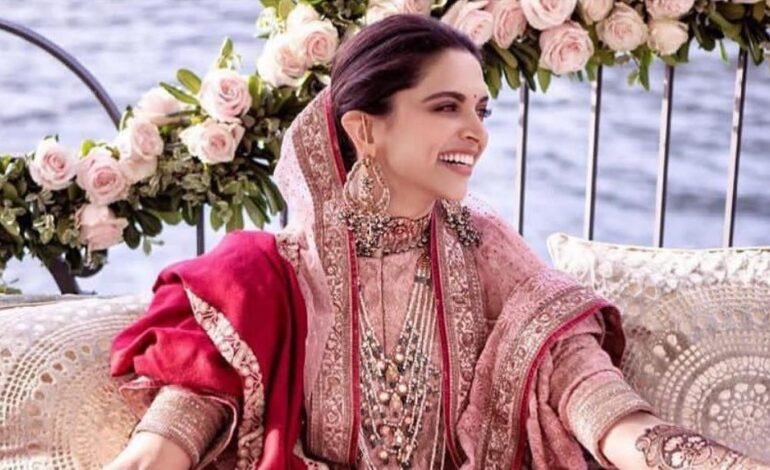

What made the satlada extraordinary was not only the count, but the difficulty of making that count work. Seven strings required pearls close enough in size, colour and lustre to sit together, and that level of material access once placed the satlada within royal and aristocratic jewellery. Today, the necklace remains part of bridal jewellery, but the conditions around it have changed: natural Basra pearls are now nearly impossible to source in the quantities required for a complete piece, and jewellers are reworking the form through cultured pearls, coloured stones and detachable elements.
Vogue speaks to Arpita Agarwal, creative director of SHREE; Bhavya Parmar Gaglani, fourth-generation at Shree Raj Jewellers; and Rohan Narang, director of Hazoorilal Legacy, on how a satlada is constructed, why Hyderabad remains central to its story and how the seven-string necklace is being worn now.
What is a satlada?
A satlada is traditionally made with seven strings, most often pearls, arranged across the chest in rows. The name comes from its construction: sat means seven and lada means strings.
For Agarwal, the satlada stands apart because its seven strings create a softer fall than a single heavy necklace. “Among the great heirlooms of Indian bridal jewellery, the satlada remains one of the most distinctive forms,” she says. “While a choker frames the face and a rani haar lends grandeur through length, the satlada introduces movement and an unmistakable sense of regality.”
Gaglani explains that a traditional satlada is usually finished with decorative side elements, gemstone-set clasps, motifs or pendants.
Why is the satlada so closely linked to Hyderabad?
Hyderabad’s relationship with pearls sits at the centre of the satlada’s story. Gaglani says the necklace continues to be one of the most iconic pieces associated with the city’s jewellery heritage. “Hyderabad has long been known as the City of Pearls, and the satlada remains deeply woven into that identity,” she says.
The connection goes back to the Nizams, whose patronage helped make Hyderabad an important centre for pearls and fine jewellery. Pearls held a special place in the Nizam treasury, and layered pearl necklaces became closely associated with aristocratic dressing. Over time, the satlada became one of the most recognisable pieces of Hyderabadi jewellery.
Gaglani adds that older clients and jewellery connoisseurs often ask for a satlada by name. Younger clients may come in with images and describe it as a layered pearl necklace inspired by Nizami jewellery. Once its history is explained, she says, they connect with its cultural value.
What happened to the Basra pearl satlada?
Natural Basra pearls occupy a near-mythic place in Indian jewellery. “Their rarity, distinctive lustre and historical significance make them extraordinarily valuable today,” says Gaglani. Sourcing enough natural Basra pearls for a complete satlada has become extremely difficult.
Contemporary satladas are generally made with carefully selected cultured pearls, including premium freshwater and saltwater varieties. Gaglani says advances in pearl cultivation now allow jewellers to make necklaces with strong consistency and durability. Still, antique Basra pearl jewellery has a different quality. She describes Basra pearls as having “a unique, soft glow and subtle individuality” that collectors and historians continue to value.
For modern brides, cultured pearls have made the satlada easier to commission and wear. Jewellers can maintain the seven-string form while offering a more even look, without relying on natural Basra pearls that are almost impossible to source in large quantities.
How are contemporary brides changing the satlada?
The satlada remains a major bridal piece, but brides are asking more from it. Gaglani says clients now want lighter necklaces that retain the grandeur of the original form while being easier to wear through long wedding events.
Detachable elements have become especially popular. A traditional seven-string satlada can be converted into shorter necklaces or worn in different combinations after the wedding. This allows the piece to remain functional beyond the ceremony.
While emeralds, rubies and uncut diamonds remain popular with pearls, brides now ask for satladas that work with specific wedding colours. “What distinguishes today’s bridal consumer is that she wants jewellery to remain relevant long after the wedding day,” says Gaglani. “Rather than purchasing a piece solely for a single occasion, she is investing in jewellery that can become part of her family’s story and be worn across generations.”
How are jewellers making the satlada easier to wear today?
At Hazoorilal Legacy, Narang says the challenge is to keep the satlada’s grandeur while making it work for the way women wear fine jewellery today. “A satlada is, by its very nature, a statement piece,” he says. “The objective is not to dilute its grandeur but to make it more versatile.”
While some clients prefer detachable formats, others want interchangeable gemstone drops or individual strings that can be worn separately. Narang says these changes allow one satlada to work in several ways. Narang shared that Hazoorilal Legacy once created a multi-tourmaline satlada, using coloured stones to bring a different mood to the traditional seven-string necklace.
What gives a satlada long-term value?
For Narang, a satlada becomes valuable when it connects with the woman who owns it and the family that may inherit it. Technical skill is essential, but the piece has to carry personal meaning as well as material value.
Gaglani sees the same shift among younger brides. Many first come to the satlada because of how it looks. The connection deepens when they understand its link to India’s regal past and pearl jewellery traditions. That makes the satlada less trend-led than many other bridal purchases. It may be commissioned for a wedding, but it is rarely thought of as jewellery for only one moment.