


3 min readMar 24, 2026 01:28 PM IST
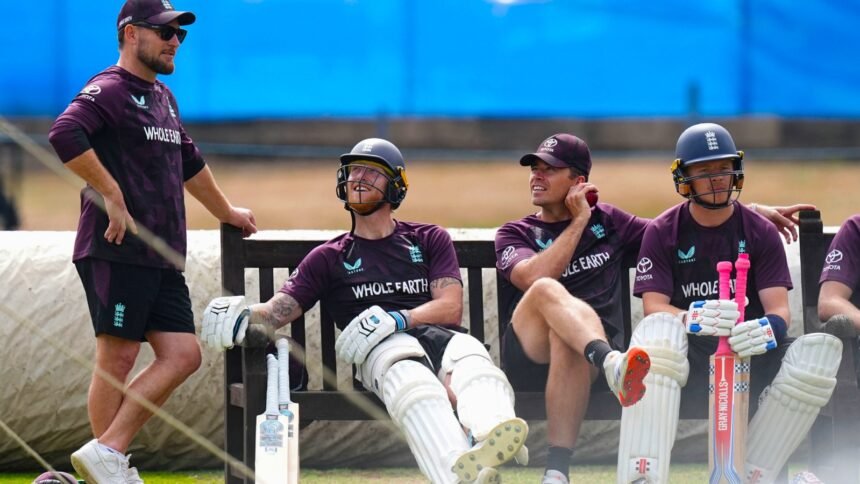
The original Bazball project is effectively finished, former England captain Mike Atherton has written in The Times, following the ECB’s decision to retain Rob Key, Brendon McCullum and Ben Stokes after England’s 4-1 Ashes defeat.
Atherton wrote that Monday’s announcement at Lord’s “in effect ends the Bazball project as was,” with a more rigorous and accountable Bazball MkII now targeting the 2027 home Ashes. Players “who were given too much rope in Australia will be on a shorter leash,” he said, with selection likely to become more ruthless and results-driven. A senior appointment to the ECB board of someone with high-level cricket experience would also keep the management on their toes, Atherton noted.

The management, Atherton wrote, was “very fortunate” to survive, noting that Duncan Fletcher, Andy Flower, Ashley Giles, Chris Silverwood and Joe Root had all paid the price for poor Ashes campaigns in recent years.
At its core, he said, the failure in Australia was “an old tale: one of a set-up that became a little complacent after a significant period of success and a little hubristic given how distinctive their philosophy was. They thought they knew best and then they got an almighty wake-up call in Australia.”
ECB chief executive Richard Gould defended the decision to retain the trio, saying: “Moving people on can sometimes be the easy thing to do. That’s not the route we are going to take.” Gould, the son of former football manager Bobby Gould, said he was wary of the endless cycle of sackings that characterised his father’s game.
The review focused on three areas: strengthening the coaching support structure and improving a relationship with the county game that Sussex head coach Paul Farbrace described as a disconnect “as bad as I’ve ever known”; long-term planning for major series, including a four-year memorandum of understanding with Cricket Australia; and tighter player behaviour standards, with a midnight curfew reinstated following what Gould called Harry Brook’s “significantly unprofessional” conduct in Wellington.
But Atherton was pointed in his verdict on the review’s findings, writing that they were “so blindingly obvious it is remarkable that a heavy defeat and a two-month review is required to elucidate them.” The management, he concluded, were “lucky to be given an opportunity to make amends.”