


3 min readMar 20, 2026 10:59 PM IST
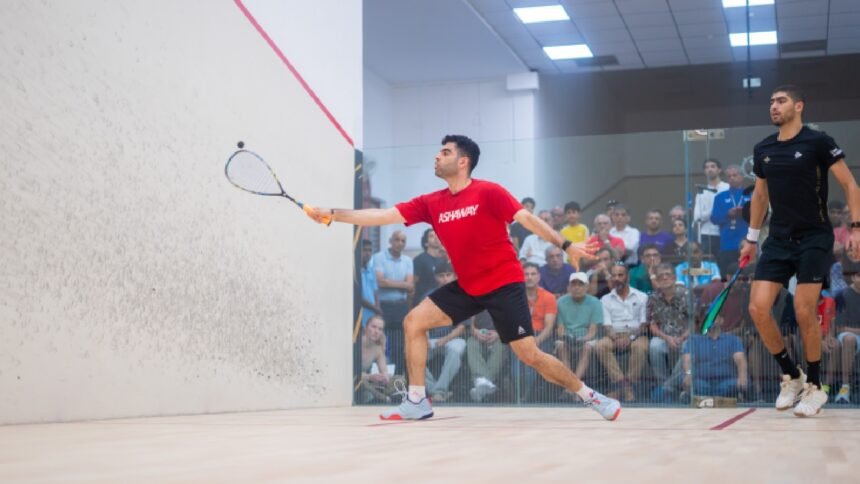
All the technology in the world now and the internet teeming with squash videos. But Veer Chotrani can’t stop looking for that one video that shows his father Manish Chotrani becoming India’s national champion 25 years ago. Conversations over the years have helped him tease out strands of what his father’s game might’ve been like at its peak in Mumbai. The youngster, who made the semifinals of the JSW Indian Open on Friday beating Egyptian Mohamed Sharaf 11-9, 11-8, 11-2, however takes the legacy forward.
“I never watched him at his peak. I try to find videos but just can’t. But the game has changed a lot,” he says. “It’s more physical and explosive. My dad played with wooden racquets that used to be heavier, now lighter ones can generate more power,” he adds.

The Tour runs deeper, so there’s more players at a very high level in Top 50, and the sport is in Olympics. But he remembers being around a squash court for as long as he can remember. “I was almost born there, and I was fascinated by that black ball moving around. I started at 3, and played my first tournament at 6,” the 25-year-old recalls.
Veer would watch the best players in action at 6, travelling to Chennai, and instantly declared Ramy Ashour his idol. “For me he’s the GOAT, the most talented player,” he adds.
The PSA Tour is 8-9 months long, and combined with long flights, and longer matches, the grind can get pretty mentally draining, says the World No 43. “But I do it because I love it,” he says.
Veer graduated from Cornell University in 2024, and moved up from being ranked 150-200 to now 43, initially funding through his pocket. Manish could guide him on the path, but he needed to play smaller tournaments to accumulate ranking points. With its inclusion in the Olympics, government funding has been trickling in.
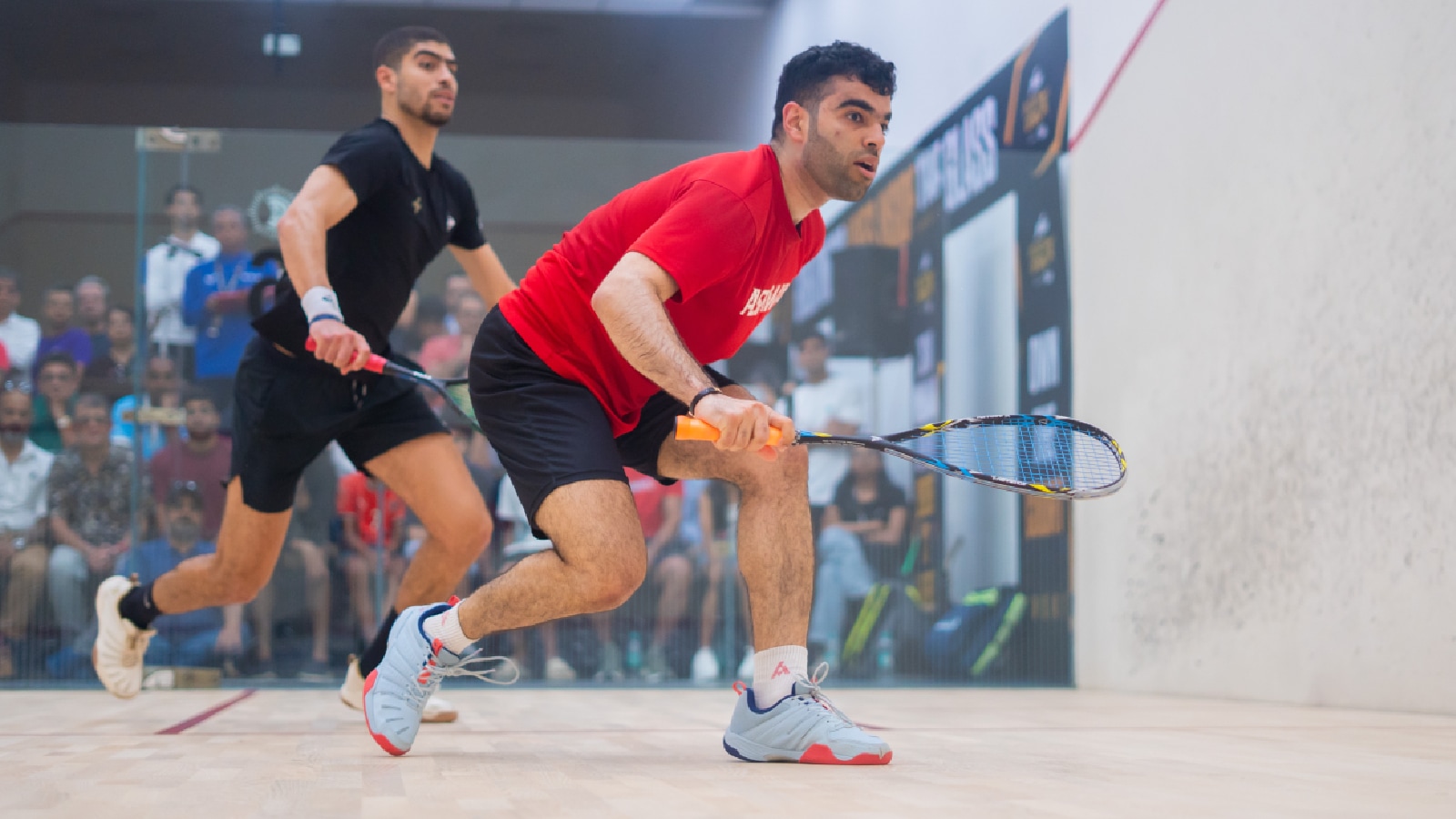 Veer Chotrani is the son of Manish Chotrani, who became India’s national champion 25 years ago. (Photo: PSA)
His biggest squash asset besides a dad who knows how the game flows, is coach David Palmer, a former twice World champion and ex-World No 1. June to August – basically off-season is spent in the US training, working on fitness that’s so crucial in squash. While outdoor long arduous runs and gym work for building muscles are fairly common, it’s the on-court pressure that coach Palmer puts Veer under to simulate rallies that is slowly improving his game.
Story continues below this ad
“We have these pressure drills, where he’s attacking all the time, and I try to defend,” Veer explains. His game style is attacking and he likes to finish the ball, but he can learn from Almer who was considered arguably the fittest squash player of his time.
As for his father, those pep talks are reserved for tough days. “He gives me a lot of advice. Mostly motivating, pushing me on days when I don’t feel upto training. That extra push comes from him,” Veer says. He inherited squash genes though he dabbled at all racquet sports at the club. But it’s his own achievements that will help him build a stack of recordings of games to remember.

© The Indian Express Pvt Ltd