


4 min readThiruvananthapuramMar 19, 2026 06:34 AM IST
In 2016, 60-year-old Kunhamina was found murdered, tied to a chair at her home in Kerala’s Kannur, her body bearing 19 deep wounds. Missing were 10 sovereigns (80 grams) of gold — and three members of a Delhi family: a woman and her two adult children.
For nearly a decade, the absconding family, who spoke multiple languages, stayed on the run, moving from state to state using forged documents. Then, one small slip — a digital trail — gave them away.

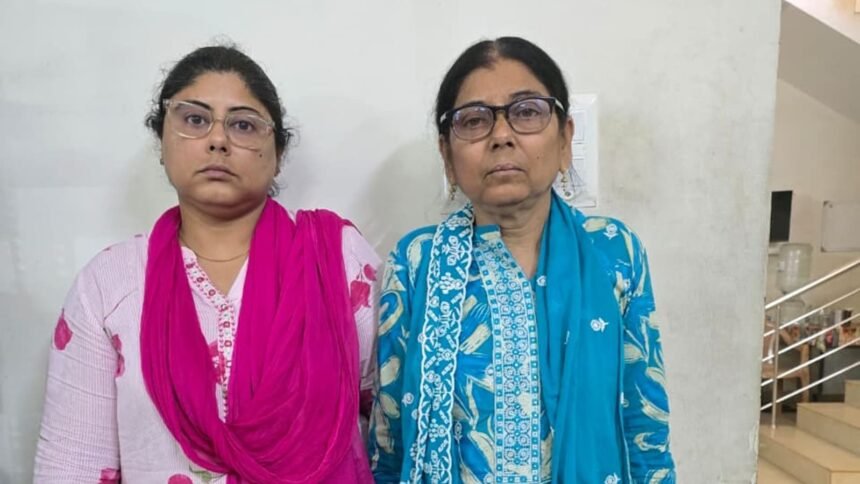
Last week, the Kannur crime branch arrested 55-year-old Parveen Babu and her 32-year-old daughter Sakeena Fathima, both natives of Nangloi in Delhi, in Ujjain, Madhya Pradesh. According to police, the family was tracked down after one of them took a mobile connection using their own ID proof.
Parveen’s son Askar Ali remains absconding.
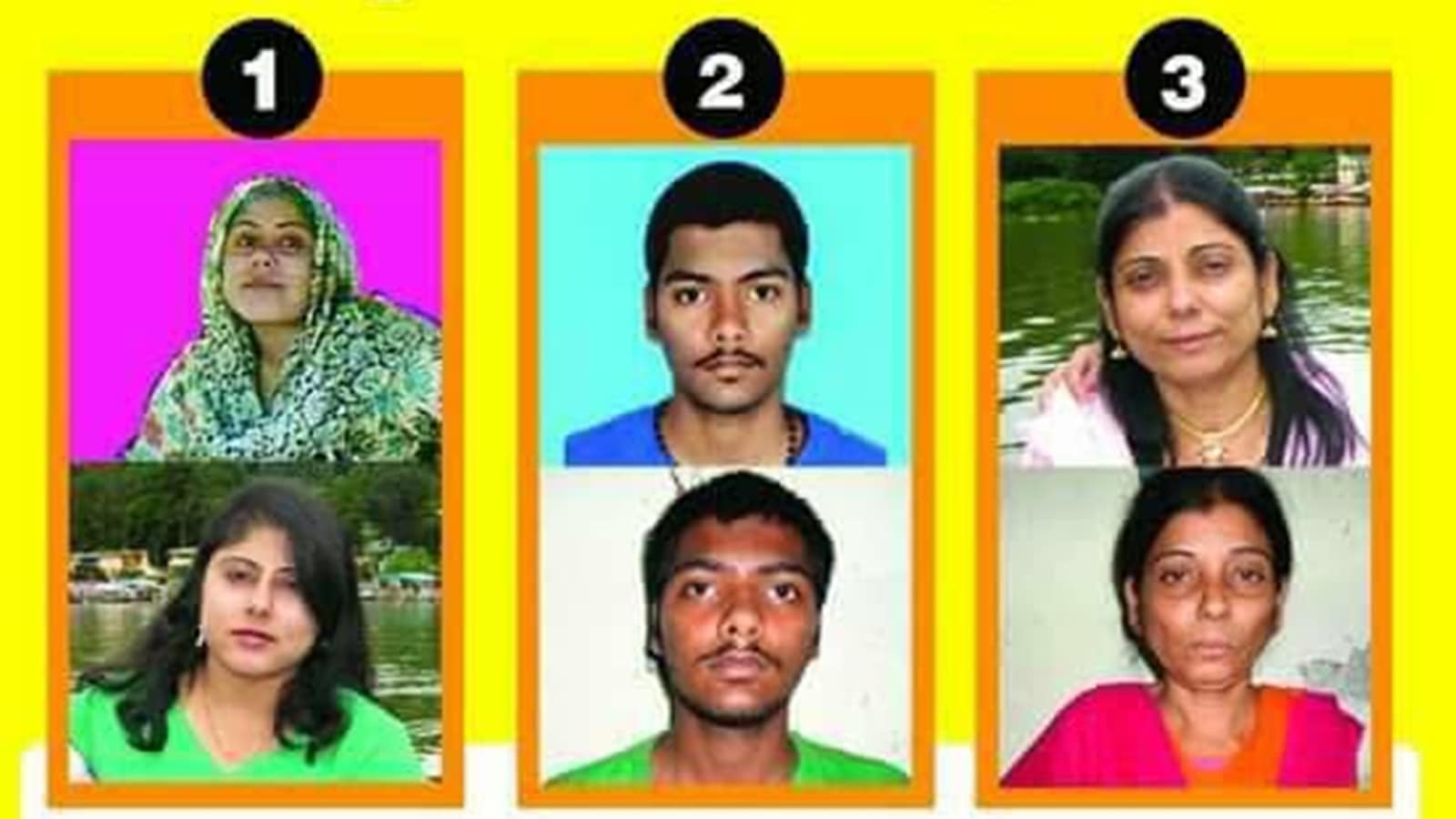
Kannur crime branch SP Balakrishnan Nair said the family had posed as cloth sellers from Gujarat’s Surat and rented premises near Kunhamina’s house. Police had identified them during the initial probe and issued lookout notices with their photos.
“We came to know that the family had sold their costly mobile phone a few days after the incident after erasing all data and other details. Not to be tracked down, they had furnished fake documents to get the house on rent. The SIM card of the phone was obtained by submitting a Karnataka woman’s documents. In return, the woman was given clothes free of cost,’’ said the SP.
 For nearly a decade, the absconding family, who spoke multiple languages, stayed on the run, moving from state to state using forged documents. Then, one small slip — a digital trail — gave them away.
Considering the inter-state nature of the crime, the probe was handed over to the crime branch in 2024.
According to police, the mother and her children lived in different places under different names — Parveen Babu had allegedly gone by Soumya Rangawala, Farida and Sudha, with an address in Kushaiguda, Hyderabad.
Story continues below this ad
The probe also revealed the family had allegedly been arrested in a similar robbery in Ongole, Andhra Pradesh, in 2013, when they looted gold and money after attacking an elderly woman. They allegedly jumped bail in that case, with police finding that the two women who stood surety had been paid.
For the last 10 years, the family allegedly lived across Karnataka, Andhra Pradesh, Tamil Nadu, Gujarat, Maharashtra, Rajasthan, Madhya Pradesh and Uttar Pradesh.
“The accused never used their own IDs or documents for any purpose. As they kept changing places, they used new forged documents, including PAN cards, for various purposes such as getting mobile connections,” the SP said.
To get by, the family also allegedly pulled other cons. “We have come to know that the mother and the daughter had made money by honey trapping people,” he said.
Story continues below this ad
The details had been shared with police units across states tracking inter-state crimes. However, tracking the accused remained difficult due to their consistent use of fake IDs.
The breakthrough
The breakthrough came a few months ago when the family sought a loan and approached a bank.
“So far, they were careful to use only documents with forged IDs. However, the bank where they had approached for loan matched the documents and found their mobile phone was obtained in others numbers. Upon the insistence of the bank authorities, the daughter was forced to take a mobile connection with her real ID. This led to their real details landing in the government database, enabling us to search such details using AI tools,’’ said Balakrishnan, who has led several sensitive investigations in Kannur and Kasaragod.
Deputy Superintendent of Police Sudheer Kallan, part of the probe team, said last month police secured a mobile number in the name of Fathima from the Andhra Pradesh police.
Story continues below this ad
“When this number was searched in the National Intelligence Grid — a platform that connects to various government and private databases — we got bank details and the daughter’s PAN card. We found the photos also matching with those of the absconding. The crime branch used the Gandiva (which is part of NATGRID), an advanced AI driven analytical tool for tracking down and identifying the accused persons,” he said.